103 1/1, Shivaji Kutir Mandal, L.B.S Marg Kurla West 400070
+91 98690 63886
info@jccrecycler.com
Our Services
COLLECTION OF E-WASTE
A Step Towards a Cleaner, Greener Future
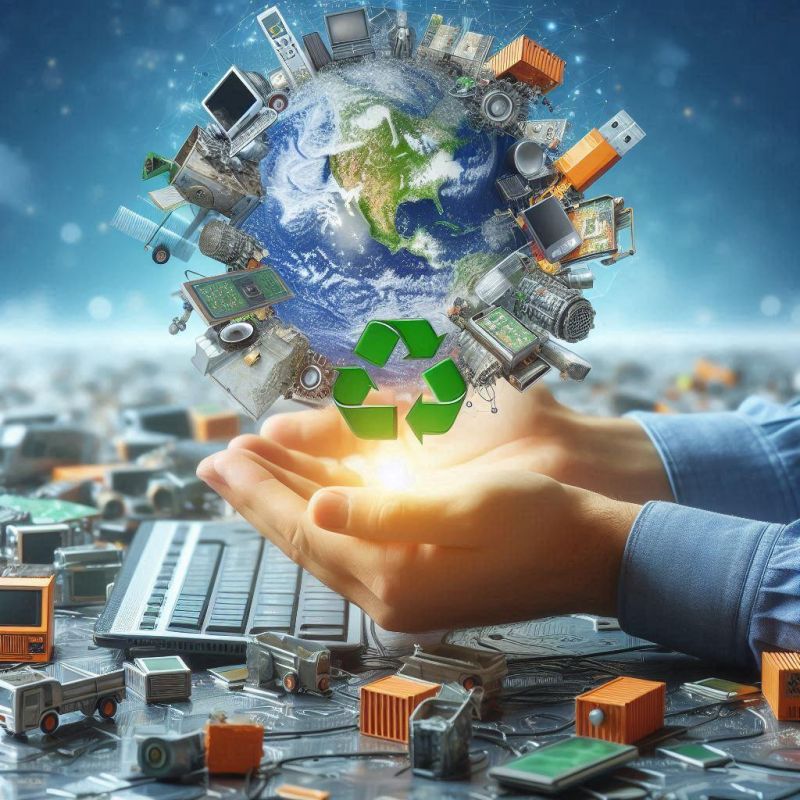
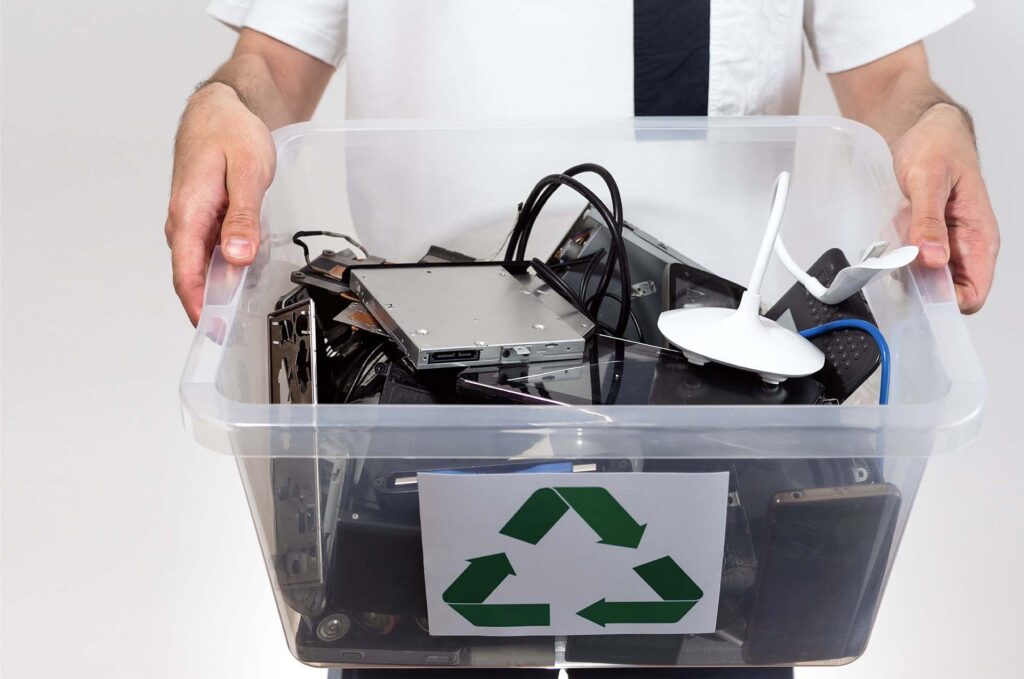
The collection of e-waste involves gathering discarded electronics like smartphones, computers, TVs, and batteries that are no longer in use. These items contain both valuable materials and harmful substances like lead and mercury, making proper disposal essential for protecting the environment and public health.
E-waste collection is made easier through drop-off points, collection events, and pick-up services for households and businesses. Once collected, the e-waste is sent to specialized recycling centers, where valuable metals, plastics, and rare materials are recovered for reuse. This process supports a circular economy, reduces environmental impact, and ensures that technology doesn’t harm the planet. Responsible e-waste collection is key to a cleaner, greener future.
SORTING OF COMPONENTS
Unlocking Value from E-Waste
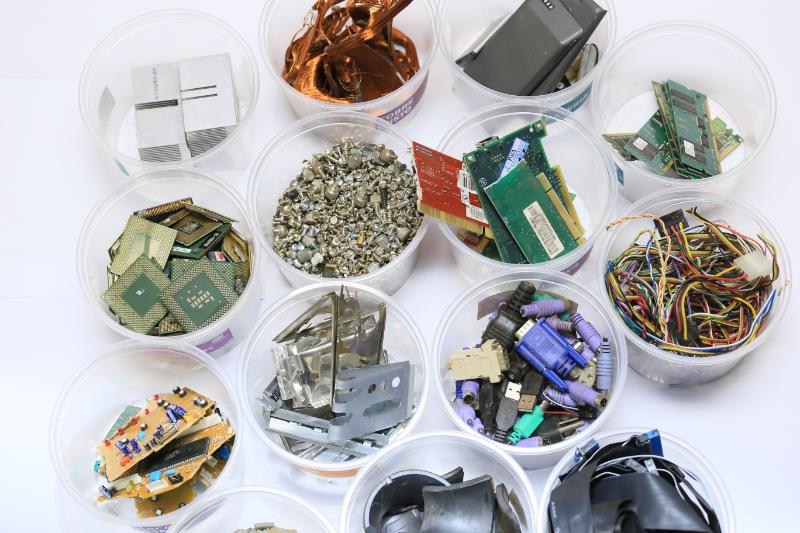
Sorting of components is a vital step in recycling e-waste, where valuable materials are separated from harmful ones. This process involves identifying metals, plastics, circuit boards, and batteries to ensure proper handling for recycling or reuse.
By extracting precious metals like gold, silver, and copper, and isolating hazardous materials like mercury and lead, sorting maximizes resource recovery and minimizes environmental impact. It also allows for the refurbishment of reusable parts, contributing to a circular economy. Through effective sorting, we can transform e-waste into valuable resources, driving a cleaner, more sustainable future.
DE-ASSEMBLING
Breaking Down E-Waste for Reuse and Recycling
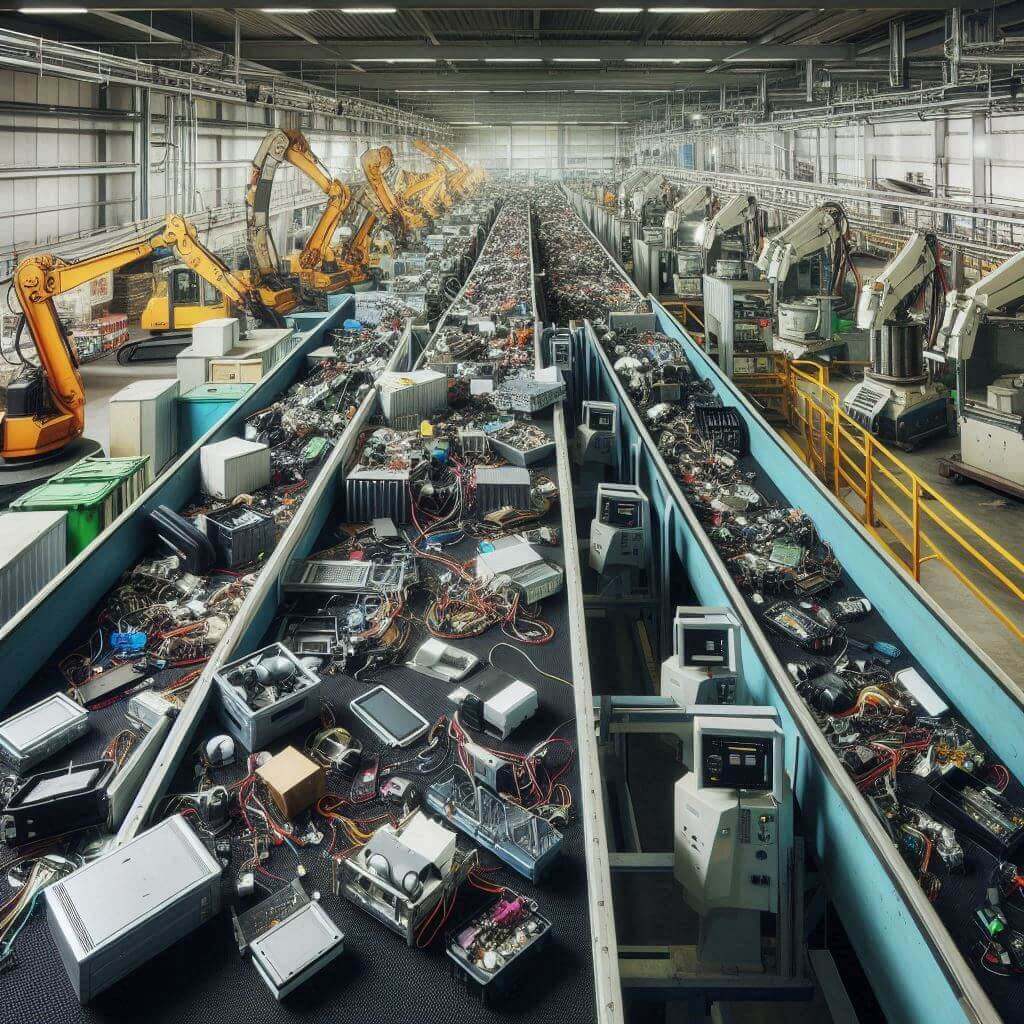
De-assembling is the process of carefully disassembling electronic devices to separate individual components for recycling or reuse. This step is essential in e-waste management, as it allows for the extraction of valuable materials like metals, plastics, and circuit boards, while also ensuring hazardous substances, such as batteries and mercury, are safely handled.
The de-assembling process involves manually or mechanically taking apart items like computers, smartphones, and televisions, piece by piece. It helps identify reusable parts, reduce waste, and ensure that materials are directed to the appropriate recycling streams. By breaking down e-waste efficiently, de-assembling supports the recovery of resources and contributes to a more sustainable, circular economy.
ECO-FRIENDLY DISPOSAL
Protecting the Planet Through Responsible Waste Management
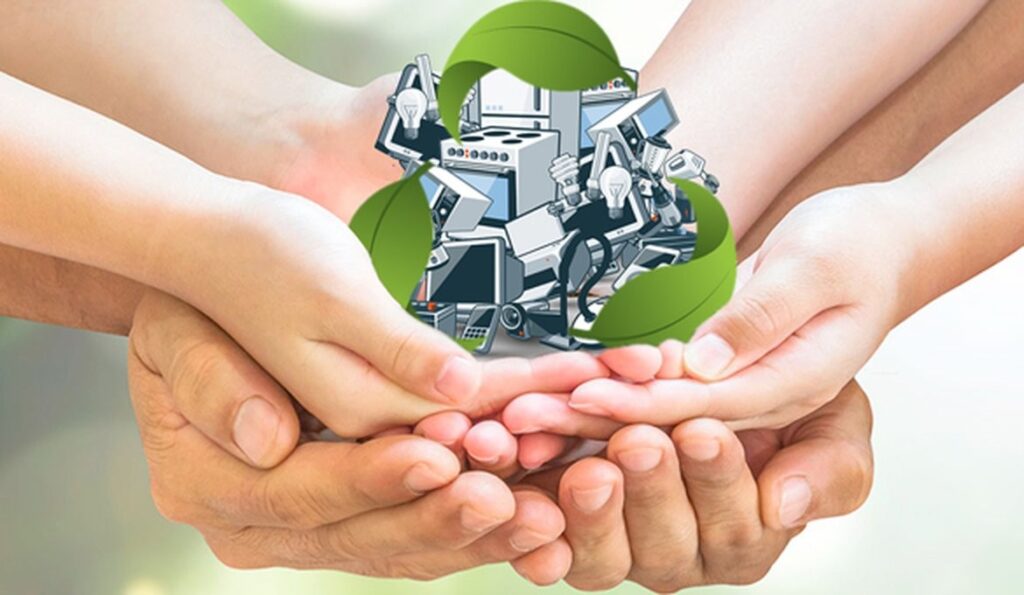
Eco-friendly disposal refers to the responsible and sustainable method of getting rid of waste, particularly harmful materials like e-waste, in a way that minimizes environmental impact. This process ensures that discarded items, such as old electronics, batteries, and appliances, are disposed of safely, with hazardous substances like lead, mercury, and cadmium being handled properly to avoid contamination of the soil, water, and air.
SELLING SEGREGATED
Turning E-Waste into Valuable Resources
Selling segregated refers to the practice of separating and selling different types of materials from e-waste or other waste streams. This process involves sorting out valuable components like metals, plastics, and circuit boards, and selling them to recycling centers or specialized buyers who can repurpose or recycle these materials.
By segregating materials before selling, it increases the value of the waste, making it easier to recycle and reuse efficiently. For example, precious metals like gold, silver, and copper can be sold separately for higher prices, while plastics and other materials can be recycled into new products. Selling segregated waste not only maximizes financial returns but also supports environmental sustainability by ensuring that materials are processed in the most eco-friendly way possible, contributing to a circular economy.
Jcc is an certified member of trans thane creek waste management association to dispose hazardous material.